- Home
- /
- Orthognathic Surgery
Orthognathic Surgery

Loading
Learn about this procedure, including candidacy, consultation, risks, recovery, and what you can expect. Dr. Afshin Yousefpour will tailor recommendations to your goals in a private consultation.
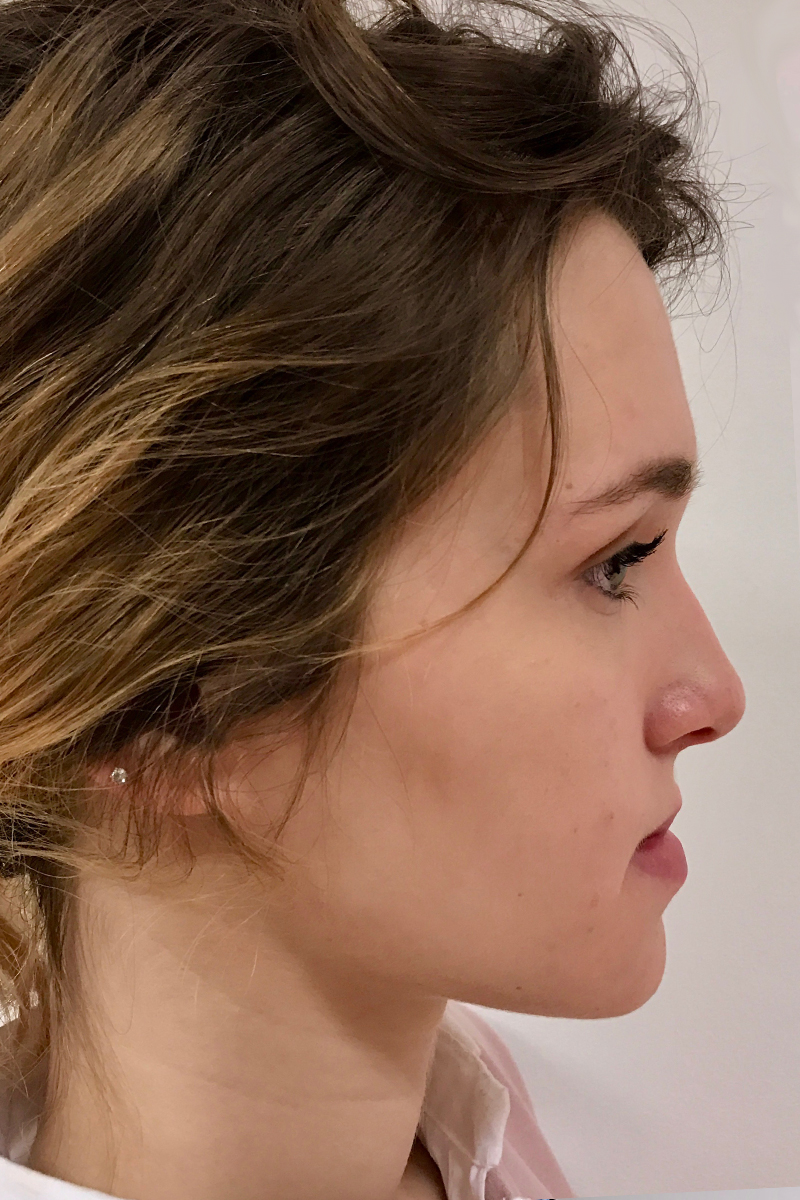
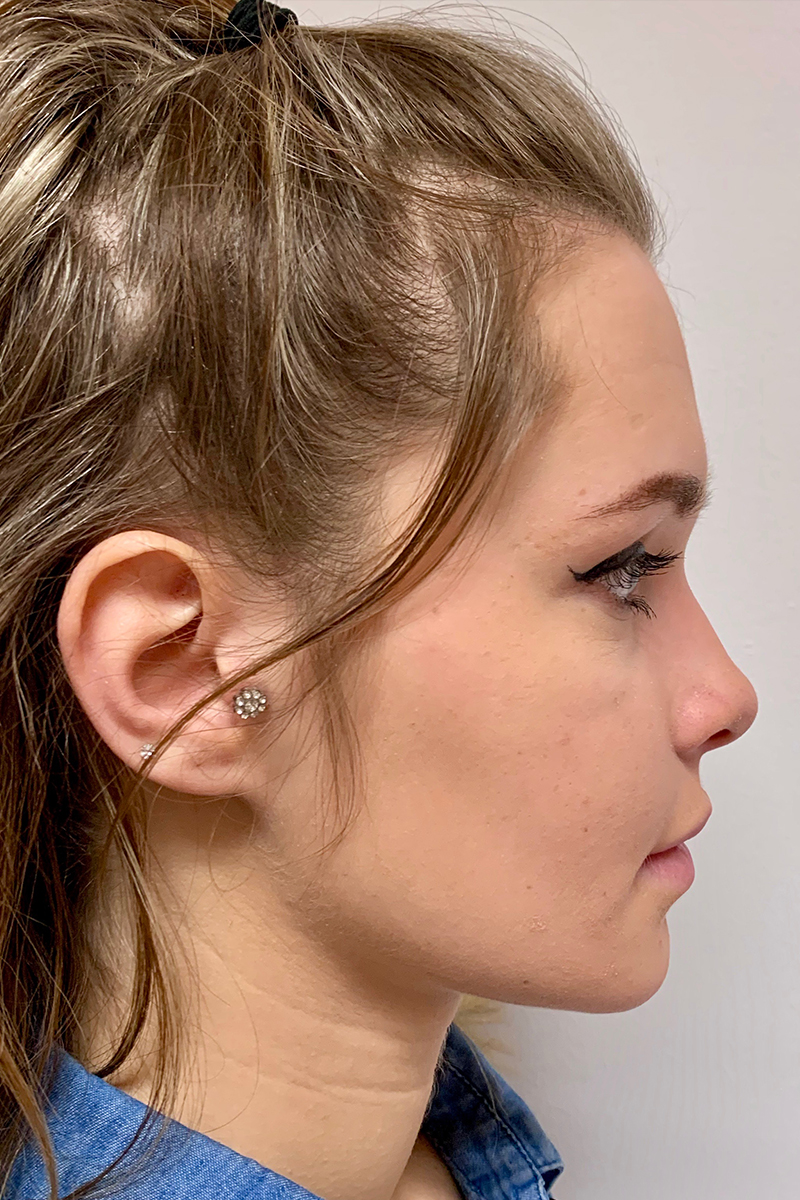
Orthognathic surgery is a combination of jaw surgery and orthodontics that aims to realign the jaw and teeth to improve function as well as aesthetic appearance.
Orthognathic surgery is suitable for patients whose jaws lie in an abnormal position or are of different sizes. A difference in jaw size and position is quite common and will usually present as poorly aligned teeth or bite, but in more serious cases it can be very noticeable physically, with deficient chins, underbites, overbites or crossbites.
This can be the result of a genetic predisposition, trauma in early childhood, cleft lip or palate. Jaw growth is fixed in late adolescence when surgery is considered to correct the deformity.
The effect on function can be pronounced making it difficult to bite and chew. There is damage to the structures of the mouth and the teeth can often get worn down quickly. There may be muscle and jaw problems and associated pain. Speech difficulties are common and it can cause sleep apnoea if the airways are compromised. If the problem is pronounced and will not respond to orthodontic treatment such as braces then you may require orthognathic surgery.
During the consultation, Mr Afshin Yousefpour will examine the structure of the mouth and jaw to assess the degree of deformity. He will also discuss how it affects you. A number of investigations will be performed, including radiographs and dental photographs.
He can then advise you on your options, the potential benefits and possible risks, so you can make an informed decision about your treatment.
After surgery, you usually require further orthodontic work to fully straighten the teeth. Once they are in the best position possible the brace is removed. Very occasionally, teeth and the jaw can move backwards to the original position, but you will wear a retainer to keep the teeth in position and you will have regular check-ups to ensure all is well.
The aim of orthognathic surgery is to improve the function and patient’s physical appearance, and patients usually report a dramatic impact on quality of life.
Typically, a treatment plan will be devised that may take some time to complete and often treatment is performed in conjunction with other medical and dental specialists. Orthodontic treatment to straighten teeth is usually required.
Once the teeth have been moved into the correct position, Mr Yousefpour will perform orthognathic surgery under a general anaesthetic. Incisions are made inside the mouth to reveal the structure of the jaw. The jaw is broken and moved into the new position where it will be fixed either using screws or plates. It may be necessary to have a bone graft and the new bone is typically taken from the hip, leg or rib.
This can be a very lengthy procedure, taking up to five hours, depending on the complexity of the individual case. The patient will then spend at least a couple of nights in hospital where they will be closely monitored.
Recovery from orthognathic surgery can be prolonged and it can take up to a month before you can resume all normal activities and return to work.
Risks are rare but can include damage to the nerves in the mouth and jaw and some damage to the teeth.
I am absolutely happy to be your patient. Your surgeons are genius! I was treated very kindly and professionally, and now I feel just great. Thanks!
29 Years
My dream has finally come true! The body that I wanted for so long is finally here, given to me by your magical hands, doctor! I appreciate it greatly.
42 Years
I thought that my problem was unique and unknown to plastic surgeons, however here I realized that it can be solved. Thank you so very much for your help!
33 Years